Tired of overflowing garbage bags stuffed with grass clippings and leaves? Frustrated with the environmental impact of traditional lawn care? There’s a better, greener way! This guide helps you choose the perfect lawn sweeper from Tractor Supply, balancing convenience with eco-consciousness. We'll explore different types, highlight key features, and give you tips for a sustainable lawn care routine. For more on sustainable lawn equipment, check out this helpful resource.
Choosing the Right Lawn Sweeper for Your Needs
Selecting the ideal lawn sweeper hinges on several factors: your yard's size, your budget, and your environmental priorities. Do you need a lightweight tool for quick cleanups or a powerful machine for tackling a sprawling lawn? Let's examine the various types available at Tractor Supply.
Types of Lawn Sweepers
1. Push Sweepers: These are perfect for smaller yards, offering lightweight handling and affordability. Think of them as the reliable sedans of the lawn sweeper world – easy to maneuver, requiring minimal maintenance, and perfect for quick tasks. However, their capacity is limited, making them less suitable for large areas or significant debris volumes.
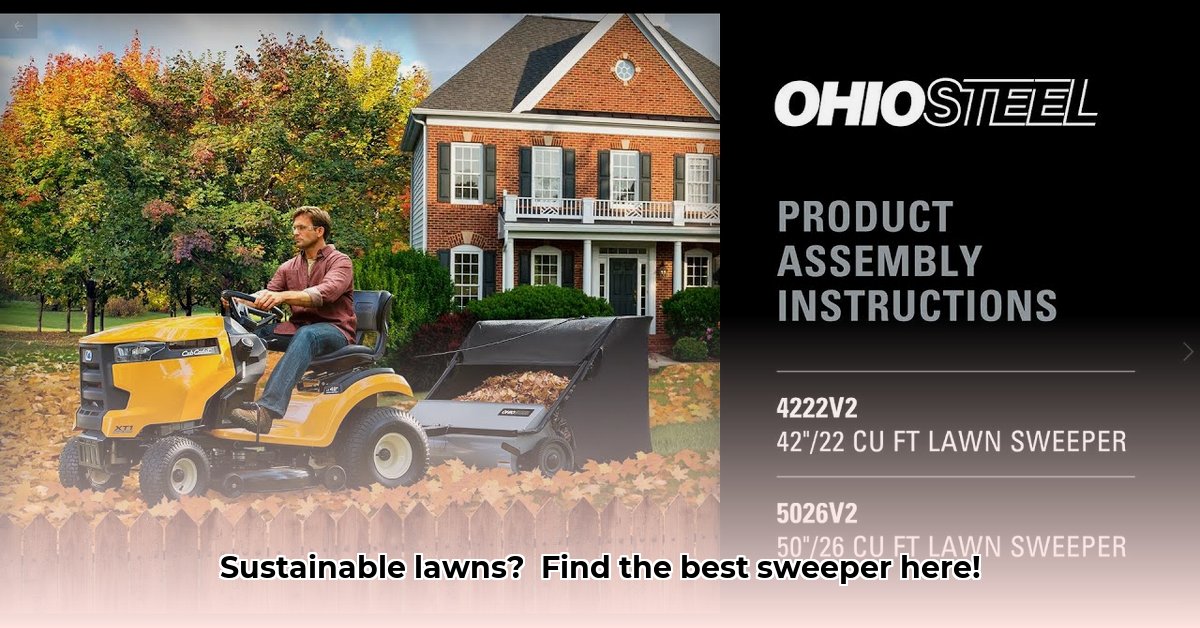
2. Tow-Behind Sweepers: For larger properties, these sweepers attach to your riding mower or garden tractor. They boast impressive capacity and efficiency, saving you considerable time and effort. These are the SUVs of lawn sweepers—powerful and capable of handling substantial debris loads. But remember, you need a tractor or mower to operate them.
3. Electric Sweepers: Prioritizing eco-friendliness? Electric models are an excellent choice. They're quiet, produce zero emissions directly, and are gentler on the environment. However, their run time might be shorter than gas-powered counterparts, depending on the battery capacity, and they might lack comparable power for exceptionally heavy-duty tasks.
4. Gas-Powered Sweepers: These are the heavy-duty trucks of the lawn sweeper world, offering superb power and capacity for large properties and frequent use. However, they generate noise and emissions, making them less environmentally friendly than their electric counterparts. Moreover, they require regular maintenance, similar to gas-powered lawnmowers.
Quick Comparison:
| Sweeper Type | Pros | Cons | Best Suited For |
|---|---|---|---|
| Push Sweepers | Lightweight, affordable, easy maintenance | Limited capacity, more physical effort required | Small yards, occasional cleanup |
| Tow-Behind Sweepers | High capacity, efficient for large areas | Requires a tractor/mower, higher initial cost | Large lawns, frequent leaf/debris removal |
| Electric Sweepers | Eco-friendly, quiet operation | Lower power, shorter run time, higher initial cost | Environmentally conscious homeowners, smaller yards |
| Gas-Powered Sweepers | Powerful, high capacity | Higher emissions, more maintenance, noise pollution | Large properties, frequent heavy-duty sweeping |
Remember to consider your yard’s size, physical capabilities, and environmental goals. A smaller yard, for instance, likely doesn't require the power of a gas-powered model. A rhetorical question begs—what's the best balance between power and sustainability for your yard?
The Environmental Benefits of Lawn Sweepers
Beyond neat yards, lawn sweepers offer significant environmental advantages.
Reduced Waste: Instead of landfill-bound bags of clippings, you recycle them directly into your lawn. This acts as natural fertilizer, lessening reliance on synthetic options and reducing waste.
Improved Soil Health: Returning grass clippings and leaves enriches the soil with nutrients and organic matter. This fosters a healthier, more vibrant lawn that requires less maintenance over time.
Lower Carbon Footprint: Electric sweepers decrease reliance on fossil fuels compared to gas-powered models. While manufacturing carries inherent environmental costs, choosing durable, repairable machines prolongs their lifespan, minimizing your overall impact. This is crucial for long-term sustainability. Did you know that extending the life of a lawn sweeper by just one year can significantly reduce its overall environmental impact?
Maximizing Your Sweeper's Sustainability
To reap the full environmental benefits, follow these simple steps:
Regular Maintenance: Keep your sweeper clean and well-maintained to extend its lifespan, reducing waste from premature replacements.
Consistent Sweeping: Regular sweeping prevents excessive buildup, minimizing effort and keeping your lawn pristine.
Responsible Disposal: Dispose of your sweeper responsibly at the end of its life. Check with your local waste management for recycling options.
Composting Surplus: If you generate more organic material than your lawn can accommodate, consider composting for enriching garden beds.
Making the Sustainable Choice: Long-Term Considerations
Choosing a lawn sweeper is a long-term investment. Prioritize durability, repairability, and sustainable materials during your selection. A durable, easily repaired sweeper will last longer and have a significantly lower overall environmental impact compared to a cheaper, less durable alternative. That is a key factor in sustainable lawn care. Ultimately, your choice reflects your commitment to both a beautiful lawn and a healthier planet. This investment in your yard is also an investment in the environment's future.